
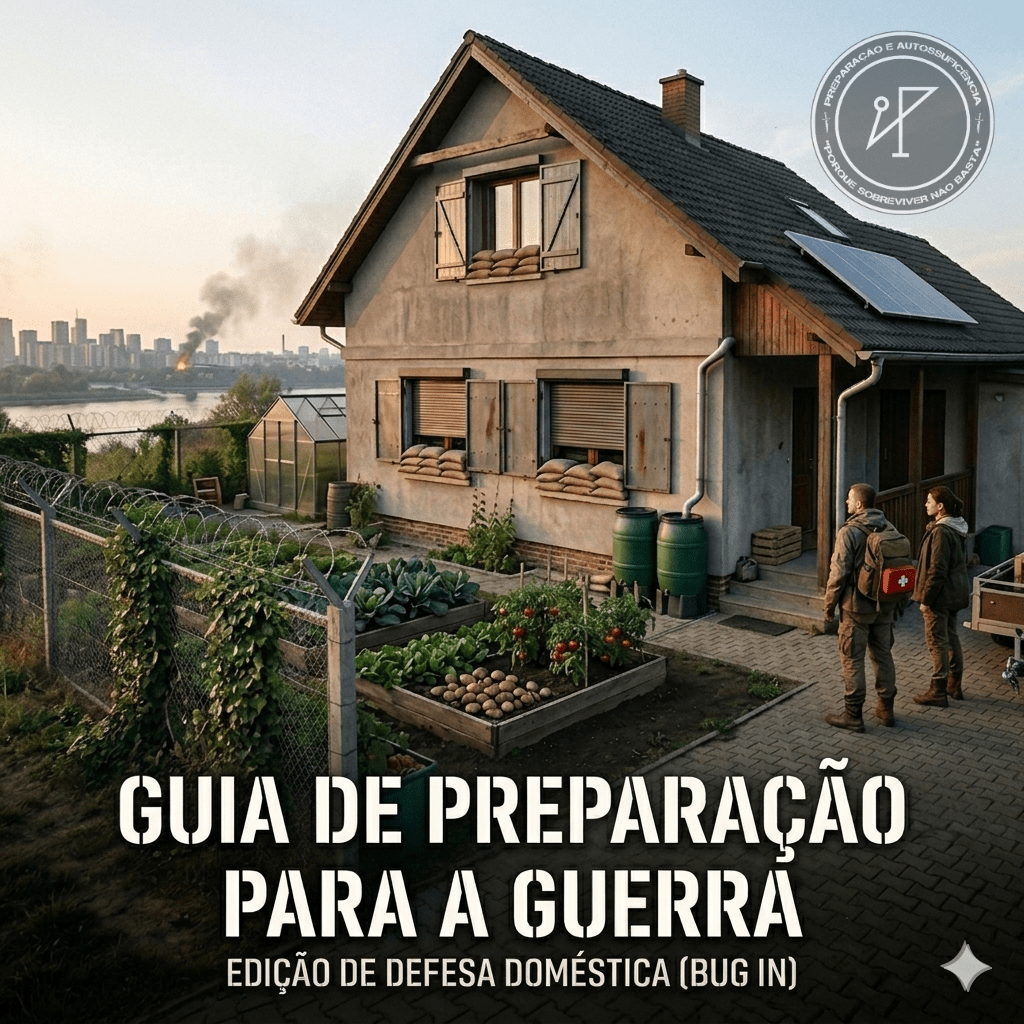
Preparing for War
War is a complex phenomenon that can dramatically affect the life of a population. Preparing for an armed conflict is no simple task and involves a series of measures that must be taken at both the individual and community level. In this article, we will discuss how the population should prepare for a war scenario and how to proceed throughout the conflict.
Part 1: Preparing for War
1.1 Understanding the Situation
The first step in preparation is understanding the situation. This involves analysing the geopolitical, social and economic context. The emergence of social, political or economic tensions can be a sign that the situation is deteriorating, leading to a possible conflict. Staying informed through reliable sources, such as news agencies, NGO reports and expert analyses, is essential to recognising the warning signs.
1.2 Family Planning
One of the most critical elements is family planning. Families should get together and discuss how to react to the onset of a conflict. This includes drawing up an emergency plan, indicating how and where to reunite if they become separated during an emergency. It is important to determine a safe place where everyone can gather, as well as to identify evacuation routes out of high-risk areas. (read the full article)
1.3 Stockpiling Supplies
If you do not plan to evacuate the affected area (which we strongly recommend for non-combatants), you should aim to store non-perishable food, drinking water, medicines, first-aid supplies and other essential items. Ideally, each family should have a stock that keeps them supplied for at least one year. Equipment such as flashlights, batteries, portable radios and tools should be considered.
Civilians should evacuate conflict areas at all costs, because it is very likely that, once unable to leave the affected zone, they may be seen as a combatant or member of the resistance by the opposing force. See also our article "Emergency Backpack"
1.4 Training and Education
Learning practical skills can be a matter of survival in times of war. First-aid courses, survival skills and self-defence training are actions that can be extremely useful. In addition, education about human rights and the laws of war helps you understand what is permitted during a conflict and how to protect the most vulnerable.
At G.N.P.A. we provide our members with top-level training in the most varied subjects. If you are interested, follow us on social media and keep up to date with everything that is being done.
S.E.R.E. Training (1 minute flashback)
https://www.youtube.com/watch?v=xjVVtAz4ngo
1.5 Building Support Networks / Mutual Assistance Groups
Having a solid support network is essential. Communities should come together to create mutual aid groups. Talking with neighbours, friends and community members is essential to forming a communication and support network. These groups should organise joint efforts to meet the objectives described above and create a communications network.
Also read our article "Mutual Assistance Groups" and join our district hubs.
Part 2: During the Conflict
2.1 Staying Calm and Clear-Headed
During war, the emotional state of the population can be severely affected. Staying calm and clear-headed is essential. Panic can lead to rash decisions that put lives at risk. Families who have not been able to evacuate should have established communication protocols and follow the guidance of local authorities whenever possible.
2.2 Personal and Community Safety
When conflicts break out, personal safety becomes a priority. It is essential to be aware of where the danger points are and how to avoid them. The community should work together to monitor risky situations and report suspicious actions to the relevant authorities. In addition, open communication within the community can help spread relevant safety information.
2.3 Maintaining Supplies
Managing stockpiled supplies is a critical task during war. It is essential to ration food and water to ensure they last as long as possible. Communities should come together to create community gardens and ensure continuous food production, as well as to promote the exchange of goods to diversify the diet.
2.4 Adapting to Reality
During a conflict, reality can change quickly. It is important that the population is willing to adapt to new circumstances. This may involve changes in work patterns, in the ways of obtaining information and even in how people get around. Those who adapt more quickly to the new realities have a better chance of survival and can help those who are struggling to adjust.
2.5 Communication and Information
Communication is crucial. During war, information can be difficult to obtain and is often distorted. Staying informed about what is happening through reliable communication channels is essential. People should be encouraged to share information, emphasising the importance of accuracy and avoiding rumours that can cause unnecessary panic.
2.6 Psychological Support
The psychological impacts of war are profound. It is essential that communities recognise the importance of psychological support. Creating safe spaces where people can share their experiences and emotions can make a big difference. They can implement active-listening and emotional-support initiatives, helping to heal the wounds left by the conflict.
2.7 Protecting the Vulnerable
War often affects vulnerable groups most severely, such as children, the elderly and people with disabilities. Communities should make a conscious effort to evacuate them and, where that is not possible, to protect them and ensure proper care. Support structures, such as shelters, assistance centres and aid programmes, should be established to support these populations.
Conclusion
Preparing for war and the ability to act appropriately during a conflict are vital to the survival and resilience of a population. It is essential that all citizens understand their individual and collective responsibility. Planning, education, communication and mutual support can make the difference between life and death in moments of crisis. By joining forces and preparing properly, communities can face adversity with greater courage and effectiveness.